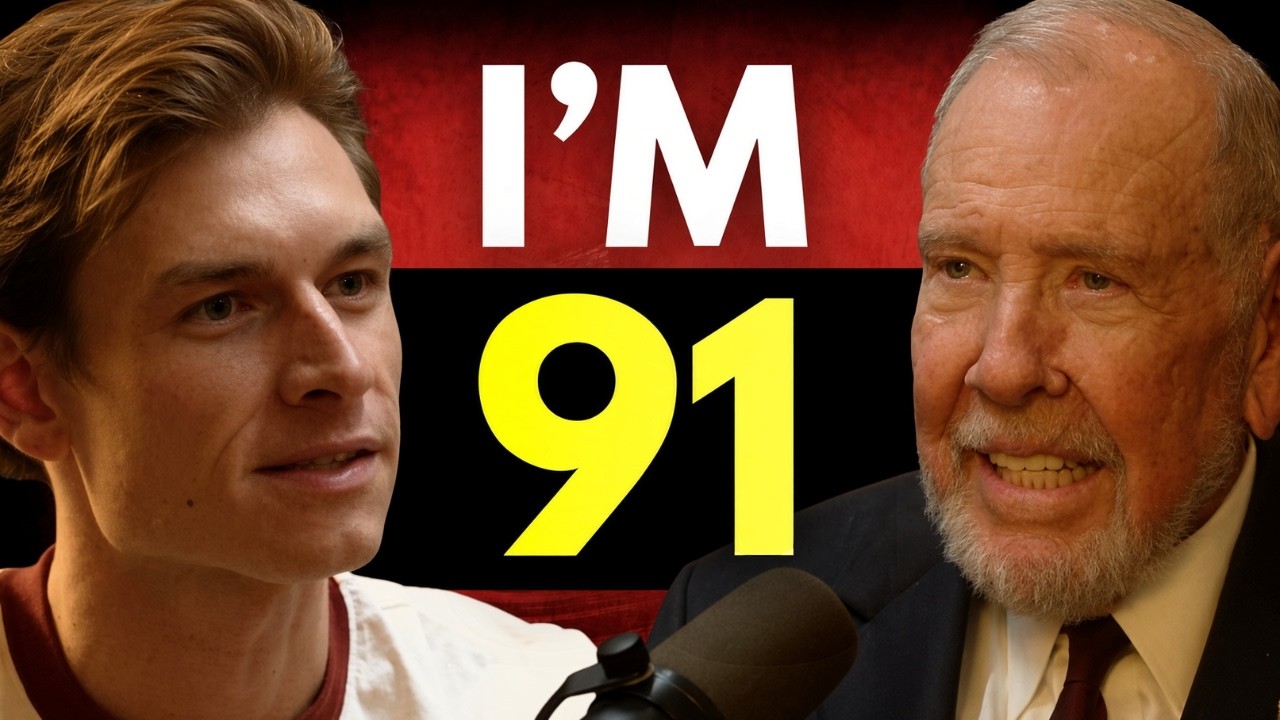
I Own 6000 Apartments and Have No Plans to Retire
Ron Kolar, founder of L'Abri Management, explains how he built a portfolio of roughly 6,000 apartment units across Southern California, starting with a 16-unit building in Downey in 1961.
Show notes
On No Vacancy with Taylor Avakian, he covers the early path from USC and a steel company job into full-time real estate in 1972, how depreciation and stock underwriting helped fund the first deals, and the practical side of running both owned properties and fee management accounts.
The conversation also looks at how they structure syndications with over 100 investors, why they put significant equity into every deal, the role of refinancing in returns, and what it takes to keep buying in today’s California market. Topics include evictions, Section 8, habitability issues, insurance and expense growth, rent control, succession planning, and the personality traits that have mattered most over more than 50 years in the business.
L'Abri Management focuses on southeast L.A. County and north-central Orange County. Ron walks through how they underwrite, walk every unit, upgrade properties, and decide when to buy versus sit out. He also shares a few memorable deals, including auction purchases, and why he still shows up to the office at 91.
Chapters
- 0:00 Why he still works at 91
- 2:12 L'Abri Management and the company history
- 3:01 First 16-unit building in Downey
- 6:01 How real estate started with a tax class
- 8:42 Going full time in 1972 and naming the company
- 10:04 Portfolio size and fee management
- 12:43 Early stock money and first partners
- 16:28 Memorable deals and auction stories
- 20:08 Good news and bad clients in management
- 23:02 Daily schedule at 91
- 27:30 Starting over today vs the 1960s
- 29:20 Current deals in escrow and value-add approach
- 32:17 Return metrics and refinancing
- 33:15 Syndication structure and investor alignment
- 36:19 California laws and eviction timelines
- 38:13 What makes him different
- 43:40 Walking properties and broker relationships
- 44:38 Succession planning
- 45:43 Never losing a building to the bank
- 49:15 Expected short sales and opportunities ahead
- 50:32 Advice he gives most often
- 52:00 Rare sales and 1031 exchanges
- 54:00 How important location is
- 55:20 Why he avoids rent control
- 57:02 If he ran California housing policy
- 59:16 Advice for someone starting in their 20s or 30s
- 1:00:48 Faith and how it shaped the business
- 1:06:36 What he’s looking forward to
Episode transcript
Transcribed from the episode's automatic captions, so some names and terms may be spelled wrong. Speaker names were also added automatically and may be wrong in places.
Read the full transcript
0:00 to 10:00
Taylor Avakian (0:00): Why do you still do this then? Why don't you just go retire?
Ron Kolar (0:02): Because I can.
Taylor Avakian (0:02): Yeah.
Ron Kolar (0:03): And what am I going to do? I'm a lousy golfer now. I used to be decent, but in ' 91 it's really a struggle.
Intro (0:08): Ron Kolar is the founder, president, and owner of the L'Abri Organization, which owns and manages 6,000 apartment units across Southern California. He has over 50 years of real estate experience.
Ron Kolar (0:19): My parents had six units or an old house converted into it. They'd say they'd have it paid for in 15 years. But I had a taxation class in the graduate work in business. And I found out that you could then depreciate your salary against depreciating a building. I got to get into this then.
Taylor Avakian (0:36): What do you think about how the laws have changed in California?
Ron Kolar (0:38): They're very, very difficult. Evictions now routinely take 3 months. They go in court date and they said, "Well, I'm not feeling good today, so they'll extend it another several weeks or a month in the court." So, it's very, very difficult. Two bedrooms rent much better than one bedrooms. We have a lot more one-bedroom vacant than two bedrooms, particularly two-bedroom, two bath. Interesting.
Ron Kolar (0:59): Regardless of the difference of the price,
Taylor Avakian (1:01): would you give the advice for someone to go into the business?
Ron Kolar (1:03): Depends on their personality and their resources because it's a pain.
Taylor Avakian (1:07): What kind of personality do you need to be successful?
Ron Kolar (1:09): Be pretty secure and pretty patient.
Taylor Avakian (1:12): Do you consider yourself a pretty patient person?
Ron Kolar (1:14): Oh yes.
Taylor Avakian (1:14): Really?
Ron Kolar (1:14): Very definitely.
Taylor Avakian (1:16): Would you ever buy in a rent controlled city?
Ron Kolar (1:18): No.
Ron Kolar (1:19): Just no.
Taylor Avakian (1:20): Why? What makes you say that?
Ron Kolar (1:21): Oh, you're going to be fighting forever and gets worse.
Taylor Avakian (1:25): Welcome to the show. My name is Taylor Avakian and I'm here with my esteemed guest Ron Kolar. Ron, thank you for being here.
Ron Kolar (1:34): Good. Okay. So, um I was telling you beforehand, you are prolific in in Downey in that part of Los Angeles and I had never heard of you because I don't do deals there, but I had asked my audience who is a legendary real estate figure that I should have on the show and your name came up and I I was like, who is this? So, I looked you up and uh there's been a couple articles obviously about you and the history. Tell me about L'Abri Management, which is your company, and you have ownership uh an ownership portfolio. I'm not sure if it's L'Abri as well, but tell me about the company. Okay. Liber management, we actually incorporated in uh 1972.
Ron Kolar (2:20): Uh uh however uh I was working long before that worked with a steel company first and uh bought my first building a 16 unit building through a friend at church and the three of them were selling it. They wanted $20,000 down. I could only had and had to borrow some to get $12,000 down on a 16- unit building in Downey, which the rents at that time were 7750 and 79.50 and I still had that building and of course refinanced it many, many times, but that was the first one.
Taylor Avakian (3:02): 1961, right?
Ron Kolar (3:03): In 1961. Wow. I graduated from USC in 57 and then finished graduate work in 59. That was two years afterwards and I worked my way through University of Southern California. I was just very fortunate. Played basketball in junior college and coach gave me uh the job of closing up the gym at night. I wasn't a great great player by any means, but he liked me and I guess I was reliable and I got to officiate in their summer league which uh was high school and college or adult USC played in a one year. I played against them uh then while I was officiating and I had that job uh four nights a week all summer I paid for seven hours and so I did that for basically five years.
Ron Kolar (3:50): uh through SC in graduate school,
Ron Kolar (3:56): joined a fraternity and got a bunch of jobs then walking a French poodle the king size and driving a lady around. I paid $5 an hour but in 1955 and six that was a lot. It was cash and it's five days a week. Friday was always a long day so instead of two hours it was three hours and she sat in the car while I walked the dog in the park etc. So, and I hashed in sororities and I was paid to be Russ chairman in the fraternity. Uh, I also got in an Air Force testing program luckily, which one summer was great. Between that and officiating, I was going to summer school, too. I uh I was able to pay the tuition. This it paid for 40 hours a week.
Ron Kolar (4:42): and I had to take a battery of tests and then we uh had uh the writer centrifuge which I didn't know was campus till I passed out and at first I took a long time then I'd passed out quickly later when I got used to it uh and it laid in in a big box refrigerator my skiibbies where they uh uh taped uh thermometers to me and up the rectum and so forth and so you're getting paid and they start started me at 78, take me down to freezing and it just shake on the cot until I was exhausted. Took an hour and then gradually back up. So I had to do that twice a week and then keep track of my activities. So that was on eight weeks.
Ron Kolar (5:28): So between that and the fishing, I paid my tuition that year easily and had the other job still. So worked in the employment office there. Just kind of fell into
Taylor Avakian (5:41): You were always a worker. You always always had something to do.
Ron Kolar (5:44): Always things came up.
Taylor Avakian (5:45): Yeah.
Ron Kolar (5:46): And uh you know the other guys went oh I was treasure of the fraternity house. Some others wanted to do it. I was one of the newer guys but uh they gave it to me I guess in conscious or like me and y and uh so just ran into a number of things like that.
Taylor Avakian (6:02): How um how did the real estate come up? Was it do you have family in real estate or how did you
Ron Kolar (6:06): No, the real estate really my parents had six units or an old house converted into it and didn't say much. They'd say they have it paid for in 15 years. But I had a taxation class in the graduate work and business. And I found out that you could then depreciate your salary against depreciating a building. I got to get into this then. So that was the big motivation.
Ron Kolar (6:32): Interesting. Uh so I kept buying even before I started full-time and uh consequently I didn't pay any taxes till uh 1988 I think it was or 87 when Reagan did his tax simplication act.
Ron Kolar (6:50): So now I pay lots of taxes but it was great during that period. Didn't pay any taxes at all.
Ron Kolar (6:56): Oh my goodness. So that really was a big start and in integrated resource built the largest profile of private property in the world at one time and it was all taxationoriented and they lost all of it. Everything went under. It was strictly taxes. Mine wasn't. So I didn't have any problem then in the early 90s when they were bailing up everything. I had a good friend that was a wholesaler for uh Integrated Resources and he had investments. They all went away too. So,
Taylor Avakian (7:30): how did you learn how to buy and value and run apartments?
Ron Kolar (7:36): Well, it's kind of a seat of the pants to start with. You know, I had no formal training. I eventually got my CPM and so forth, but yeah. and uh it just looked like it made sense on the 16 units and they wanted $20,000 down. I couldn't get it, but one of the guys was a friend of mine and so they took 12 and they carried the loan because I would have had trouble there. So they carried the loan for a few years and then I uh financed it and of course got all my money out then and raised rents. I started out initially uh doing some painting, the yard work. Uh, I even tried to change the garbage disposal. Spent all day Saturday trying to do it. I didn't know you had to get one to fit.
Ron Kolar (8:21): That's how green I was.
Ron Kolar (8:23): And so, I got a friend at the church and and he made it fit, but I should have bought a new one that would fit. So, that was the last garbage disposal I tried.
Taylor Avakian (8:33): You ever tried doing?
Ron Kolar (8:34): I cleaned the apartments when people moved out. Uh, did that. Yeah.
Taylor Avakian (8:38): When When were you able to go full-time into real estate? cuz I assume you were working.
Ron Kolar (8:42): That was basically uh 1952.
Taylor Avakian (8:45): Okay.
Ron Kolar (8:46): And uh I mean 72, I'm sorry, 1972. And uh the name is kind of interesting because I put in for a number of names with the state uh two different times American, you know, a lot of great sounding names. They were all taking and uh I had a appreciated a Christian author uh in Switzerland Switzerland and he uh uh had a place he called Lebris and people would come and stay there and talk about Christian things. So shelter was taken but Ler wasn't and Ler means shelter. So that's that's how I became up with L'Abri uh management and was able to incorporate that name.
Taylor Avakian (9:28): How did uh you choose Downey?
Ron Kolar (9:31): Downey was kind of an accident. I was working for a steel company, Armco Metal Products, and they were in commerce uh which was right next door and Downey was a nice area. So I got an apartment in Downey. At one time I came close to moving to Palace Veres, but last minute I decide to stay in Downey. So that would have been a different
Ron Kolar (9:54): portfolio, different area. though we do have one building we bought in uh Palace Veries
10:00 to 20:00
Taylor Avakian (10:00): in PV [snorts] in the South Bay
Ron Kolar (10:01): and down in Lanada Bay there which is a great property.
Taylor Avakian (10:05): What um the portfolio is so how many properties in and around the Downey area.
Ron Kolar (10:11): Well, our properties for the most part are in southeast LA County.
Taylor Avakian (10:17): Okay.
Ron Kolar (10:18): And north central Orange County. Also have some in the desert and one in Riverside and so forth. And shortly after uh incorporating then I fell into or people knew me in town and I started uh uh doing fee management as well which allowed me to get bigger staff and uh uh have a better better bigger company as well as the ones we were purchasing.
Ron Kolar (10:46): So that uh worked out well for us and we actually in Downey have 52 properties with our signs on it. Wow. Wow. Question.
Taylor Avakian (10:57): How many are third party fee management and how many do you guys own?
Ron Kolar (11:02): More of them are fee management.
Taylor Avakian (11:04): Okay.
Ron Kolar (11:04): Uh than we own. Probably 50% more fee management. However, the properties we own are larger. So, we have more properties than we own. We run it all together. Don't show a difference in it. We uh have a staff meeting every Wednesday and we do it by city. So we don't make any difference between ours or the fee management properties.
Taylor Avakian (11:29): Got it. Okay. And so when you were growing this business, I assume you were buying properties with your income and also refinancing and you know adding value and whatnot. when you started to actually in 1972 when you grew the management business was the goal to just continue to grow or what did you envision that the company would be what it is today?
Ron Kolar (11:52): I never really had a goal. Uh it was kind of interesting. And uh a gentleman by Dan Angelof who's uh very much involved at SC and the fraternity brother came to me shortly after graduating and said uh uh you ought to buy some stocks and he was in the he became an underwriter and I said Dan I don't expect to have a lot and he said well don't you expect to have 20 or 30,000 sometime. Oh yeah I expect to have that. So he got me uh in underwriting and there were a number of them uh House of Fabrics, uh Denny's, I forget a couple others and they all were great. So Dan really made a difference to giving me the money that I could do [clears throat] uh to invest because the stocks were so good.
Taylor Avakian (12:43): Oh wow. So he he told you to put money in stocks and you made a bunch of money in stocks and then used that
Taylor Avakian (12:47): Yeah. new underwriting stocks that he had done.
Ron Kolar (12:50): Wow. And so that helped uh me buying apartments. And then uh I think it was the next nail the next one I bought uh Dan was in it and one other fellow and I said you want to come in and they did another Downey guy who I went to engineering school with uh at at SC. So I started getting some partners. I was going to say, were these syndicated deals or
Taylor Avakian (13:17): Yeah, they were just personal syndication,
Taylor Avakian (13:19): family and friends.
Ron Kolar (13:20): And yeah, and it uh grew fairly rapidly because the properties all did well and uh uh we when we go out and buy a property, uh we just send a letter out explaining and and projections. We never call anyone. We never push it. uh people have come on because they were friends of friends. I never asked a friend to go in. I did those first two ones, see if they were interested.
Ron Kolar (13:49): And so we have uh over a hundred investors, I don't know how many email and the last half dozen or so get sold out in a day or two because
Ron Kolar (14:00): we've been so successful with them.
Taylor Avakian (14:02): Is is LER a family business?
Ron Kolar (14:04): No, not really. Uh, a couple of my daughters got in involved a little bit, but uh, one is, uh, one didn't like it all. The other one was fine. She's an adopted daughter, a Cambodian girl, and was a song girl at SC,
Ron Kolar (14:21): but she's got a mathnasium thing, and her husband does very well, and they're now in Park City. They're skiers with their daughter and so on. But
Ron Kolar (14:29): yeah, so there's one guy that I knew from the fraternity. I the other funny thing about me is that the fraternity was having it went off campus. There was an accident and a death and we brought it back on and it was beat up as Sigma Kais had been in it as Cap Sig house and so we need to raise money to make it better and there's no tax write off on it. So, uh, I got the idea we could sell the property and depreciate it so they'd get depreciation against taxes. So, I put together, you know, 20 of these at 10,000 each or maybe a little more. And no one bought them. So, I ended up buying them.
Taylor Avakian (15:14): Oh my gosh.
Ron Kolar (15:14): So, I own the old fraternity house
Ron Kolar (15:17): and at USC.
Taylor Avakian (15:18): At USC, the Gap Sig fraternity,
Taylor Avakian (15:21): which has been a big loser, I might add. And one guy I identified there who was a Rush treasurer treasurer got a free house bill. That's why I was a treasure. Got it. President got a half house bill. Oh,
Taylor Avakian (15:33): okay. So you went for the free one.
Ron Kolar (15:34): Yeah. So I went for the free one and Jeremy did two and he did it three straight years. The first year unheard of of 80 or 90 guys. He collected every single house bill. It happened took him all summer. He never did that again. No one's ever done it since or before.
Ron Kolar (15:53): Oh my god. But so I spotted him and then after he did a few things maybe six years, I don't know, seven years. So I uh talked to him, had him on the board because I was head of the board because I bought the fraternity out.
Taylor Avakian (16:06): Yeah.
Taylor Avakian (16:07): And uh and he is now a partner, but he was worth me 20 years before he became a partner at all. But he's like a son and very very capable guy. I uh I assume with the number of deals that you've done, there's been some that have not gone the way that you've projected. What was the most memorable deal that you did?
Ron Kolar (16:28): Well, I don't know. Probably the first one I mentioned we call Lee Apartments. All of them have been profitable. We've never had a problem uh at all in in in the investments. Uh we've had some are more profitable than others. And uh probably the the key is uh the number of times we've refinanced. So I would not uh know we've had the largest one did was 150 became 152 units. 150 units in Downey.
Taylor Avakian (17:01): Wow.
Ron Kolar (17:02): And I bought that at an auction uh that uh they were selling. And I came in Sentry City down in the basement and I had a bunch of cashier checks and I bought that and that's I've had that probably 3540 years. Oh my goodness. In
Ron Kolar (17:19): down but uh that's probably most memorable and bought another one at an auction too. Uh the other one was more colorful. Uh a gentleman there I won't use well Bill Brying. He's a character. Uh he built the building. He asked us to manage it. He went through a divorce, hated his wife, didn't want me to return any funds because she was kind of destitute. The ex-wife, I should say.
Ron Kolar (17:48): So, anyway, gosh, I uh uh that ended up at auction. She forced that. Oh, first of all, I started returning some money, which is the only fair thing to do. So, he got mad and chopped down our Leb sign and we finished out the term that he had on there anyway. and of course charge them if they paid for the sign. Then we went in into the auction and uh he and two ex-wives were together there. One had a brothel in Hollywood area which he used for some contractors character.
Taylor Avakian (18:24): Oh my god.
Ron Kolar (18:25): So I was about to quit bidding on it and he came to me and here's a uh money order for 25,000. and he said, "I want you to keep bidding uh because it's not going to cost me anymore and I don't want them to get the building." Real characters.
Taylor Avakian (18:44): Oh my goodness.
Ron Kolar (18:45): So any rate, uh then I bid and actually I went out a couple more times and got the building. It's been a great building. It's uh it has uh all of them are at least two bedroomedroom, two baths. Some are three and two or two and a half baths. uh 14,500 street, 2,200 square ft. The back ones there with a big yard in back. So, it's an excellent property and he was living there and he was fine. And then he got control of another building he built across the street and Bill uh then made because there was a lot of vacancies of that one. He came over and got a half a dozen of our residents of the 54 to move over there.
Ron Kolar (19:30): Oh my goodness.
Ron Kolar (19:32): Which we refilled. It wasn't a problem at all, but
Taylor Avakian (19:35): some games were being played there.
Ron Kolar (19:37): That That was an all time. That's probably the most memorable. Okay.
Ron Kolar (19:42): Because it was an auction because I almost didn't buy it and I did. It has a sunken pool and just a gorgeous property.
Taylor Avakian (19:49): Wow. You um I'm sure and I know quite a few property managers and I know a bunch of owners and some choose to manage it themselves and some choose to hire a third party. Management is a lot of times a thankless job, I would say, in terms of just you're really only ever delivering bad news, right? You're not you're not delivering good news.
20:00 to 30:00
Ron Kolar (20:08): Not not true. No. Yeah. There's a lot of good news. We raise the rents and depend how we've had some bad clients. Yeah.
Ron Kolar (20:17): Uh one guy we turn the building around for him. We have a six-month automatic contract and a couple times we've only had them go six months. We turn the building around and then they take it back. And this guy did. And in those days, I foolishly let the owner be on the account as well. Well, he took all the money. Now, he owed vendors. So, I had to take the vendors to court one by one against them and get a judgment. And he ended up paying all the money, but I had to go to court on them to do that. I don't remember his name, but that was one that was really bad and got burned on. And a couple other times we've had people who just don't want to take care of their property. We tell them before it has to be taken care of and has to be man.
Ron Kolar (21:05): We have to fix it up if you're going to do it. And uh uh they normally say okay and they say okay or we wouldn't take it. Yeah.
Ron Kolar (21:15): So we take the management and we've had a couple who wouldn't. So we gave it back to them because they wouldn't allow us to do it. And of course now the accounts in our name so we never had that problem again. And we've never been sued uh by a man a fee management account at all.
Taylor Avakian (21:34): Wow. That's incredible. Um what's something unexpected people wouldn't expect from management the management side of things? What's the most difficult part about it?
Ron Kolar (21:44): Well, the most difficult part is when you have an owner who won't do what they agreed to do. Uh that would be it. on a rare occasion and we've had one order just wasn't everything and he took a a year trip and he was fine then on a boat so he left us completely alone but uh uh in fact he called me yesterday he didn't want help and I said you got to take the properties back we're not going to manage them anymore you're too much trouble you're on everything you're questioning everything oh worse than that in one of his buildings. I think a 28 unit building he just walked into the apartment cuz he owned it and the manager's in there a lady by herself.
Ron Kolar (22:31): You just don't do that.
Ron Kolar (22:33): Yeah. You don't walk that did it. So we said, "You got to take it back." And he still calls me for help all the time. How do I take care of this or what I do on that? He he'd used another management company before and they didn't do a good job for him. He was happy with us, but he just wanted to be involved in everything too much. And plus walking in on a manager apartment, not knocking or anything.
Taylor Avakian (22:59): Not the way to do it. What is I mean, Ron, how old are you?
Ron Kolar (23:02): How old am I? Yeah. 91.
Taylor Avakian (23:03): You're 91. What is your daily schedule look like right now?
Ron Kolar (23:06): Well, I usually get in about 8 and then if I don't have a dinner with someone, uh, my wife's in the desert most time. I'll work till about 6 or so, 6:30, something. And what do you do? always go out to lunch with someone usually from the company or uh occasionally a friend or one of the guys investors and so forth and uh I meet with the a couple of the guys in Bible study so I'll do that at night.
Taylor Avakian (23:33): Okay.
Ron Kolar (23:33): Uh there so and we'll have dinner when we do it. Yeah.
Taylor Avakian (23:37): I like that. During the day, are you uh reviewing bills? Like what is uh what is from 8:00 a.m. in the morning to 6 p.m. look like?
Ron Kolar (23:45): Okay. I uh uh manage a few properties myself.
Taylor Avakian (23:49): Okay.
Ron Kolar (23:49): Just as an example. And one's 84, the other two are smaller. Uh and for a friend and she likes it very much. Very good friend. Her husband used to work for me and he passed on. But uh no, I uh review. We have two types of reports each month. One is a report that goes out to all partners and investors. I mean all all fee management accounts and that report gives a line by line what things are expended on and bank balances etc. vacancies evictions all in the report there. Of course I review every those and I review most of them before they're passed to the property supervisor.
Ron Kolar (24:34): The other report is an accounting report that just in-house. Oh, by the way, the investors get a copy of the bank statement. They get a line they get a line by item, not the investors. The
Taylor Avakian (24:49): Yeah, the part uh the fee management account. They get everything. They get a full deal. The investors just get the the two sheets that come at the front there.
Ron Kolar (24:59): Okay. Uh so but uh uh and then the other report uh goes through the county does that and they show late pays shows of course evictions uh shows delinquencies which we got a lot on insurance that we fight all the time. Um, so other peculiar things. We have one person that is still paying off their COVID balance.
Taylor Avakian (25:31): Wow.
Taylor Avakian (25:32): At like 500 a month or something.
Taylor Avakian (25:34): Oh my gosh.
Ron Kolar (25:35): Uh, we had several that did that. Most of them just bailed on it, you know, and left. Um, and we got a lot from the government to cover it. But yeah. Yeah. So, but one person is still and that's shown there and it show the delinquencies. Sometimes there whole month delinquency. Now if you have housing there, you can't start the eviction till they're one month behind. So it may show one month and it show that the reason they can't is because there's housing in that building. We didn't used to take housing, but legally now we have to take housing.
Taylor Avakian (26:12): Got it.
Ron Kolar (26:12): If they qualify and the qualifications are pretty low. Um, and normally housing and the resident pays their share. We have one now where the gal's not paying her $80 a month.
Taylor Avakian (26:26): Section 8.
Ron Kolar (26:26): Yeah, section 8 housing. And uh we're going to have to evict her and she'll never get it again. So, very very foolish. But uh yeah,
Ron Kolar (26:35): that's rare that that happened. But housing's always late that if the resident damages something, housing comes in says you have to fix it, you know. Oh my gosh. Yeah, it can be.
Taylor Avakian (26:47): It's a pain, but
Ron Kolar (26:48): you know,
Ron Kolar (26:48): we have it.
Taylor Avakian (26:49): It is what it is. When um when you think about
Taylor Avakian (26:53): your current portfolio and over the last I would say 60 years, right? People that I talked to feel like today it's much more difficult to build a substantial portfolio than it was back then because um for whatever reason, obviously it's a lot more information that's available today. It's I would say back in the day, I don't know how many people knew a property was for sale or what the competition was looking like, things like that. But do you feel like if you had to start over from scratch today and you're in your 20s or something, you'd be able to do it like
Ron Kolar (27:30): Yeah. I don't think it made a lot of difference of getting the money would be difficult, including having a broker that's ping nothing but wonderful things that he underwrit. Yeah. So, uh yeah, that that would make it much more difficult and also cheaper money then. Loans were very very very easy and uh the rates were high at times and then we got some really low rates. But uh um so that uh a person could get the land tied up and he didn't have to put anything down and build an apartment building. That happened a number of times in Downey and I knew the people. I wasn't in that but I was kind of I came in at the end of that.
Taylor Avakian (28:19): Got it.
Ron Kolar (28:20): Uh they had been doing that and the number I bought were built that way. [clears throat]
Ron Kolar (28:25): So yeah. So I don't think it'd be uh that would be the hardest thing is getting the money to start. Uh there's certainly the loan companies are much stricter than they used to be. We have now about 6,000 units and uh so they're much more careful. We use four different s sources for our loans. Though right now uh Chase beats everything. And of course Chase has
Ron Kolar (28:54): one of every four buildings in California they claim has a Chase loan on it. Yeah. And they don't do anything in the central valley or the desert.
Taylor Avakian (29:03): So So you can imagine how many It's all in the metropolitan areas.
Taylor Avakian (29:06): How many loans it is? Oh my goodness.
Taylor Avakian (29:08): So then for you, um,
Taylor Avakian (29:11): are you currently buying because I I think I don't know if you bought anything in the last couple years, but the Sunrise and West Mountain 2024, are you actively looking for new?
Ron Kolar (29:21): We just We have two uh in escrow right now.
Taylor Avakian (29:24): Okay.
Ron Kolar (29:25): Yeah. And uh one is uh 30 I'm trying to think somewhere I think it's around 30 units uh in Anaheim. Nice clean building. One that we can't do much but I think makes sense. All two bedroomedroom two baths. Two bedrooms rent much better than one bedrooms. We have a lot more one-bedroom vacant than two bedrooms, particularly two bedroomedroom, two baths. Interesting.
Ron Kolar (29:53): Regardless of the difference of the price,
Ron Kolar (29:56): the other one is on not and that's 38 unit. They advertised as 37 and when we walked it, we found there were 38 units. So, and uh the rents were a little more than they advertised and it's right around the corner from uh well, it's across the street from one around the corner from another property we manage and that's in escrow too. That one
30:00 to 40:00
Ron Kolar (30:20): typically when we buy we do a faceelift,
Taylor Avakian (30:25): very big facelift.
Ron Kolar (30:27): Uh we have a couple people very good. the galler president uh she uh is good and her husband's an architect and he comes up with some amazing things. So that is really really help to change the appearance of the building. We have very good landscaper. So we redo the landscaping. Then as apartments become vacant uh we upgrade them. That means uh at least new covered facings often new covered doors, new countertops, uh tubs, bath, you know, side, just everything on there. Uh uh chair railing in some case, uh floor, uh molding, etc. So, and then of course we get a great deal more rent.
Ron Kolar (31:14): Basically, we never charge our existing residents when they raise their rents uh to as high as the uh apartments would be rented for on the street.
Taylor Avakian (31:29): Ah, so you want to keep it just below where you feel like market rate is.
Ron Kolar (31:31): So they see that they're getting a little bit of a break there.
Taylor Avakian (31:35): So are you still buying today for depreciation or are you
Ron Kolar (31:38): Well, it's a combination. Yeah. Uh that's why on the cash flow or yeah the cash flow from the apartments uh they don't pay taxes on it because of depreciation. Uh way back when I started you couldn't carry over depreciation. Now you can't carry it over
Ron Kolar (31:59): and a lot of the investors are the same way
Taylor Avakian (32:02): that they have a carryover there.
Taylor Avakian (32:04): What are the return metrics you're looking for to hit for your investors? Are you looking at it as that kind of deal where I'm going to return, you know, 12% IRRa or is it a cash on cash or how are you looking at what deal makes sense to buy?
Ron Kolar (32:16): We uh we show a projection of what and the projection shows usually a reasonable cash flow over a 5year, seven or 10 year. I took a lot of five years when it was 3.125 and three and even 295. Uh I did take some seven and tens fortunately.
Ron Kolar (32:40): Uh we're hurting now on those others of course.
Taylor Avakian (32:43): Yeah.
Ron Kolar (32:43): Uh but so we have projections which are not spectacular at all but the investors have learned that when we refinance is when they really get the money out. And I guess they tell their friends and people come and always check them out before they get on the investor list. and the last half dozen we've been sold out in a day or two.
Taylor Avakian (33:07): What's the structure on the back end in terms of the split between you as the GP and then the limited partners? Is it 8020 or
Ron Kolar (33:15): if we sell a property or something? There's no charge on that. There's no back-end charges. There's no charges on the refinance. There's no charges on the upgrades. It's basically normally a 5% management fee. In a few cases, it's higher than that. So, we're unique there. And we put a syndication, we take 1% or less, okay, is all, which is nobody else does that.
Taylor Avakian (33:41): How much do you put into the deals that you syndicate?
Ron Kolar (33:44): Oh, uh, used to be only a million, but at least two or three million,
Taylor Avakian (33:48): which is what percentage? Like 20%.
Ron Kolar (33:50): Well, that'll vary with the property, but yeah, probably more like 20 or 30%, sometime maybe only 15.
Taylor Avakian (33:57): Okay.
Ron Kolar (33:57): Uh, there. So, but uh yeah, no, I always have it a significant investment in everything there.
Taylor Avakian (34:04): Is it a pari paru? Um is it pari paru in terms of the ownership percentage or do you get a specific ownership? So, the way that I'm thinking about it typically in in a syndication, right?
Ron Kolar (34:15): Yeah.
Ron Kolar (34:16): There'll be the the general partner, which would be you, right? puts in five to 10% of the equity and then you raise 90% from the limited partners and then over a spec spec specified return it'll be like 8020 or
Ron Kolar (34:32): no nothing like that at all. The general partner is a corporation. We use two different ones uh down enterprise and reenter Enterprise. So those are the general partners for obvious reason and they put 1% in and they're subject to escorp. So we trapped a lot of money in there. Okay.
Ron Kolar (34:52): Uh which we use to loan when we need to loan money to something. If we run over our projections we always loan the money to it and at no interest and we do run over sometimes there.
Ron Kolar (35:04): Okay. But no there's no no percentage I have in percentage enterprise has in the return is the same for all of us.
Taylor Avakian (35:15): Wow.
Ron Kolar (35:15): Period. And it's only as I say 1%. So we have a very loyal group and that's probably the reason plus the fact that the uh government doesn't enforce any of they're not getting interest taking interest deduction on that. Now I don't
Taylor Avakian (35:35): I'm very very careful to reinvest everything that takes out out of it because I got too much that way. Yeah.
Ron Kolar (35:42): But the partners don't and their accountants tell them they don't need to
Ron Kolar (35:46): talk to one person never check with the accountant and she was setting it aside for investment all the time. She called the other day her uh she kind of inherited but her mother did it that way before. So any rate, but no uh and that's probably why it sells out so quickly in a day or two and we always have people on a waiting list who want to get in.
Taylor Avakian (36:10): Man, what is um what do you think about how the laws have changed in California from a regulatory and landlord tenant relationship?
Ron Kolar (36:19): They're very very difficult. Uh very difficult. Uh evictions now routinely take three months. There's a few that just default and go, but even then it's a month and a half or two by the time they get around to moving them out and seeing them in court and so forth. And the court will extend for any crazy reason. They go in the court date and they said, "Well, I'm not feeling good today, so they'll extend it another several weeks or a month, the court." So, it's very, very difficult. Now we have have over 6,000 units, but we only have 10 in eviction at this time.
Taylor Avakian (36:59): Wow.
Ron Kolar (37:00): Uh so
Taylor Avakian (37:01): that's incredible.
Ron Kolar (37:01): We we try to
Taylor Avakian (37:03): Yeah.
Ron Kolar (37:03): really uh be careful on who we rent to there. Oh my goodness.
Ron Kolar (37:08): And and work with some residents on occasion as well. So yeah, and and used to run around 20, but uh recently it's been 10 or 12 and on Wednesday it was 10. We meet every Wednesday, the property supervisors, our HR person, and the lead administrator and go over uh all the problems and go over all the evictions that are listed. And the end of the month, we go over any unpaid rents and uh uh one is a COVID one. That's why I have to know about it Wednesday. Y
Ron Kolar (37:47): uh a number of them are housing and then one or two are other special case and I think we had 13 or 14 that were unpaid uh Wednesday which was you know the end of the month. So
Taylor Avakian (38:00): if um if I was to ask your employees or your friends uh what is Ron's specialty or superpower? What makes him unique? Right? What does he do better than anyone else? What do you think they would say?
Ron Kolar (38:13): Oh I don't know what they would say. they probably like me and they they know I'm very honest. So that'd probably be the thing that come through.
Ron Kolar (38:23): Straightforward and honest like you're not like a numbers wiz or you can really read into scenarios or see the future like is there anything like that that you feel separated? Well, we try to watch the market and there have been number of times um you know in ' 86 when they changed the tax code, we didn't buy anything at all and then the '9s hit and there were great buys out there but everybody was shell shock because the savings and loans all bailed up and I couldn't raise money. I bought arranged it for a few other people to buy. Uh so and then there have been other times uh you know the great depression that came up didn't hurt us at all in that one and we bought a few things there but oh when we got all those low interest rates then uh we did not buy anything for uh two years and people had a lot of money because of the refi and they kept calling.
Ron Kolar (39:16): So we sent a letter out saying we probably won't buy anything for 2 years because people were had great expectations in the market which were override and not adjusted to what the new interest rates were going to
Ron Kolar (39:33): and so it was a little over two years before we started buying again. But we put a letter out to everyone or an email out to everyone on investor list. Hey, we're not going to be doing anything so you don't need to call us. We didn't say you don't need to call us, but we explained that. Yeah.
Ron Kolar (39:49): So, but yeah, it's much much harder now. Evictions, uh, habitability. We had a horrible habitability lawsuit that made no sense at all, which cost the property a great deal of money. Uh, just a bogus thing. And that's coming up all the time. You know, it was mold for a while. Uh it was uh proposition 74 64 whatever it is on uh uh smoke or you know that. So we fought that when we got that and we guy gave up on it with several of us joined together there who he was raking in a great deal of money from everyone because they didn't want to fight it. But uh yeah so it just uh becomes more and more difficult.
40:00 to 50:00
Ron Kolar (40:36): Oh, we had the drive by shootings where uh they weren't drive by shootings, but where a guy uh a parapolgic would drive by in his car and if there were steps uh he would sue that it wasn't access. And he came the attorney that started this came up with an obscure Jesse Unrew law which said that if you're open to the public, you have to allow everyone be able to allow everyone to come in. Now these are buildings that didn't have to have, you know, access to. Yeah. So now we have blue poles with pen on. So the manager's there, they ring it, the manager will respond to them and let them know. So, uh, that cost some money too for us and for some of the,
Ron Kolar (41:26): uh, fee management accounts before we got the polls out. And that's gone away now because everybody has polls out
Ron Kolar (41:35): with blue poles with a button on it that they can push. I love that they can get out.
Taylor Avakian (41:40): You you adapt.
Ron Kolar (41:41): Yeah. It it's uh, it's much much harder. Uh, however, that means a lot of people are bailing on their property because they can't stand it. And now you got the super high interest rates.
Ron Kolar (41:56): We have interest rates that are doubling. Um, and some of the fee management accounts and some that we have, we can't cover the existing loan.
Ron Kolar (42:06): Uh, most of them we can. Six months ago, the guy at Chase told us that uh virtually no one is covering. You're the only one that are covering because we're rehabbing and raising rents there. But we have 13 now. We have 25 next year that are coming up and won't cover. Uh I have to fight our property supervisors over raising the rents enough. They think a $100 is a lot. Well, $100 if it's a $3,000 rent
Ron Kolar (42:38): is only three%.
Taylor Avakian (42:40): Yeah.
Ron Kolar (42:40): You can't you don't cover anything on that.
Taylor Avakian (42:43): Yeah.
Ron Kolar (42:43): Our insurance has been going up 20% a year. 10% on the policy, 10% on the the rebuild, pardon. Wow. And it's going to be 25 or 30 this year after the fires. Uh even property taxes go up 2%. We had a bunch where the gas was going up 30, 40, 50%. Uh, you know, labor goes up
Taylor Avakian (43:08): over and over.
Ron Kolar (43:09): So, I mean, three, they think that's a big race. I mean, that's all I've done recently, not that we're going over those reports. Yeah. And looking at properties, and I walk properties with everybody, with a couple other people when we do it, we walk every unit before we buy. And in rare occasions, we'll tell them there's some problems. Uh one occasion we we walked away from a property. Yeah. But very rarely we don't. By the way, we never we're have brokers. Uh I we never uh try to knock the broker down on his fee.
Taylor Avakian (43:46): We appreciate that.
Ron Kolar (43:47): Well, so we the brokers love us because one, we normally virtually always perform
Ron Kolar (43:54): and two we don't touch their feet. Now, there have been a couple times where there's been an impass and we didn't want to pay what someone wanted and a broker decided on his own to go ahead and drop it so that we would buy it.
Ron Kolar (44:08): But, uh, that's only happened maybe a couple of times. Uh, so we never they earn their fee and they bring it to us first. So, that helps a great deal.
Taylor Avakian (44:17): I have a question for you in terms of just thinking about uh succession planning or exits or anything like that because you've obviously grown this business for a very long time. Um have do you ever think about how you want to pass down the company or the property or the buildings
Ron Kolar (44:38): the the company will go under control basically of the guy who's become the partner. So that protects all the investors and my family. Mhm.
Ron Kolar (44:48): Now, how to pay the taxes. I have five buildings, I think, that I own myself, and they're probably going to have to sell them.
Taylor Avakian (44:58): Yeah.
Ron Kolar (44:58): Yeah. Right.
Ron Kolar (44:59): So, so that will probably pay the taxes. It will cut down on the size of the portfolio, and they pay management fees, too, because they're being managed. So, so, yeah. So, that's uh that's the best I can do on the exit fee. Yeah. We have I did give to children some partnership interest some years ago. Uh one couple doesn't work at all. I don't think that's healthy. But at any rate, they living off the partnership interest. Yeah.
Taylor Avakian (45:26): She loves to jump horses and so forth. So helps
Taylor Avakian (45:29): with that.
Ron Kolar (45:30): Yeah. So, but uh that's as much as I've done.
Taylor Avakian (45:34): Got it.
Ron Kolar (45:34): So, there's some partnership interest.
Taylor Avakian (45:36): Do you um have you ever lost a deal to the bank? Have you ever had to give a building back? No,
Ron Kolar (45:42): never.
Ron Kolar (45:43): Oh, no. No.
Taylor Avakian (45:45): How do you think you've had a perfect track record in that case? Because I know a lot of owners and what I've heard is what people say is if you're in the business long enough, you have a deal go bad. The fact you've been in the business this long and have never had a deal go bad.
Ron Kolar (45:57): Never close.
Taylor Avakian (45:58): Why do you think that's been the case?
Ron Kolar (45:59): Um, in the uh 90s there were a lot of people that lost buildings. Yeah. They said integrated resource lost their whole portfolio eventually. Uh but uh they went in unfortunately I don't have money to to buy but there were a lot of them that did that in the the last the great recession. Uh virtually nothing in good areas went back to the bank that we saw. There were some in the Inland Empire. Vegas had a lot. The bad areas had a lot but otherwise very little wind. Now, the big difference was in the '9s, they could belly up and uh declare bankruptcy and drag it out for a year or more and milk the property, do no rehab, and of course, then the banks went to the bad boy classes clauses.
Ron Kolar (46:56): So, if you did anything like there, uh you were on the hook and they would go after you personally. And of course, I've signed a bunch of those. Uh, and that's why in the good areas and good properties, you really had virtually nothing go uh uh go belly up in those areas in the great recession. So, no, never never had a problem at all. Now some are going to be not come up with the money rather than make a call on the partners which I have and I did in the early 90s there and they came through and understood. So that that I did make a call on on some
Ron Kolar (47:39): uh didn't have a lot though in but rather make a call on the partners who have probably reinvested most of the money they got or spent it. Uh I'm going to loan the partnership the money.
Ron Kolar (47:51): Got it. at 5% then have enough to carry that through all of them that need money. Now, some of them are still cash flowing.
Taylor Avakian (48:00): Okay?
Ron Kolar (48:01): I mean, still going to have more than that. More or not,
Ron Kolar (48:05): but the amount in this 13 that we're doing now, we're taking out more than we're shortfall.
Taylor Avakian (48:12): Oh, wow.
Ron Kolar (48:13): Yeah. But the more is on just on three or four buildings while the shortfall is smaller, but it's on a lot more properties. Got it. Okay. So, you bridge the gap.
Ron Kolar (48:24): So, we're going to do that. Now, that means they won't have cash for a long time, but they'll be a lot happier than coming up and putting in their money,
Ron Kolar (48:33): new fresh cash. One other thing I really expect and you said looking at the market times like I mentioned two years we didn't and five years at one time because it couldn't uh is that I expect now with so many properties and and again the chase rep we have said most of them were way shortfall uh there going to be a lot of people that can't meet the huge shortfall because they haven't upgraded because they haven't raised rents and of course expenses keep going up. Um, and so they're going to uh be people that are going to have short sales or dump or foreclosures. I expect that will happen and
Taylor Avakian (49:15): in the next year or two.
Taylor Avakian (49:16): So there'll be more pain.
Ron Kolar (49:17): I don't know how long it'll take. Okay. Uh probably we'll see some of it and I would guess in a year.
Taylor Avakian (49:24): Yeah.
Ron Kolar (49:24): But certainly in a couple of years we will see that. Okay.
Ron Kolar (49:28): Yeah. Very interesting. And of course we will want to buy in that period. I was going to say
Ron Kolar (49:34): and other investors will too. And you know with all the difficulties of managing a lot of people have already bailed uh one great property we got. I think it's 50ome units. Guy was taking everything to Texas. You know
Ron Kolar (49:49): it's getting out of California
Ron Kolar (49:50): and uh this was in Anaheim and this was 3 years or so ago and and it's just been a marvelous property.
Ron Kolar (49:57): Wow. he wasn't managing it real well. Had a bad manager or two.
50:00 to 1:00:00
Taylor Avakian (50:02): Mhm.
Ron Kolar (50:02): Um probably twothirds of the time when we take over a property, we bring in a new manager.
Ron Kolar (50:09): At any rate, it it's been a great property.
Taylor Avakian (50:11): Whatever.
Ron Kolar (50:12): And he was going to Texas to buy homes,
Taylor Avakian (50:14): big homes.
Taylor Avakian (50:15): Oh, interesting.
Ron Kolar (50:16): Thinking that they'd go up in price. And I don't know if he did it, but that was what he said he was going to do.
Taylor Avakian (50:21): That was the plan. I'm sure you have a lot of people coming to you asking for advice on a bunch of different aspects, real estate, life, uh, faith, whatever it is. What is the pieces of advice that you give the most often to people?
Ron Kolar (50:32): Probably on an investment, something like that, I guess. Uh, and you know, some people have asked me one good friend, uh, you know, he put money in, how soon can I get back? And I said, well, you're not going to get much of a return till 5 years. And he didn't do it. M
Ron Kolar (50:50): uh another unfortunately a guy I really like he he did they bought had a house in band and sold it and pulled out quite a bit of money and uh so he asked and I said well it'll be five years and you know I said why don't you just put it in a CD well somehow heard a guy in Texas and he put 75,000 there and I just found out Tuesday when we had a Bible study with him and then the guy made a call and he put in another 15,000 which drained him and now the guy's giving it back to the bank.
Taylor Avakian (51:21): Oh no.
Ron Kolar (51:22): Yeah. And I feel horrible. You know, I had no idea he was going to do that and I didn't guard him against it, but that'd be most common. One couple, and I've had that one couple particularly came in and want to know if they could retire.
Taylor Avakian (51:36): Oh my gosh.
Ron Kolar (51:38): And you know, I said, "Well, this is not my forte." But the nice couple, the good people. I knew them for church and they they had property, too. But any rate, um, they could and they did and they were happy and they thanked me a number of times.
Taylor Avakian (51:54): There we go. I love that. What do you think about Do you ever sell properties? Are you someone who sells properties?
Ron Kolar (52:00): We have in rare occasions for specific reasons.
Taylor Avakian (52:04): Okay.
Taylor Avakian (52:05): Yeah. One in Southeast Downey which uh just didn't like the area.
Ron Kolar (52:12): And I'm trying to think uh Oh, another one. had a partner, big partner in that one that just wanted to sell it and we did that, made a trade out of there. So we when we sold, we traded. Oh, we had one in uh Anaheim, too. Uh which we now manage, ironically. [clears throat] Uh and that property, there were four gangs in the neighborhood next to it. Uh the property was okay and I said, "We got to get out." So we sold and traded into one in Redlands and because we'd refinanced and taken money out, I told the partners what would happen if they didn't go into it and some didn't go into it and then they complained when they had to pay taxes.
Taylor Avakian (52:58): Big old tax bill.
Taylor Avakian (53:00): Hey, we warned you on that,
Taylor Avakian (53:02): right?
Ron Kolar (53:03): And one guy wanted to come in at the last minute. Well, it was too late to do that. We eventually sold that too and traded it back into Orange County because the we had some partners who really had a lot of money in it and we got a dump in Orange County and we fixed it up and it's a show place. Wow.
Ron Kolar (53:21): I mean it was so rund down. Weeds all over. Hadn't been painted for years. The kids have been running it.
Ron Kolar (53:27): Oh my gosh. Yeah, it's uh 48 units right next to it's in Anaheim, but it's immediate next to uh uh special area in uh
Taylor Avakian (53:39): somewhere over there.
Ron Kolar (53:40): Yeah, Fullerton.
Taylor Avakian (53:41): Fullerton. Okay. Yeah, great. So, and nice homes right there. We've done it a few times for a reason, but always a trade in there. And of course, the partners that went into the other one that was such a dump love it now. When when you think about buying property, how important is location to you?
Ron Kolar (54:00): Oh, location is is huge. Uh yeah, it it's it's huge. A dead ended street. We have one on a dead street with marvelous, but special situation. But yeah, and and what the neighborhood is around it, if you have to go through a bunch of apartments to get to it that are bad, you don't want that. If it's a narrow street, don't want that, you know. Yeah. A real busy street is not good as a fairly busy street. So yeah, and what's around it is big. Very much uh uh sensitive to the community to where there's rent control or going to be had a build been built in 1926 or 8, I forgot what it was on Ocean Boulevard in uh Long Beach.
Ron Kolar (54:46): They had three stories. uh still had the old ice boxes in. Wow. And a guy came to me and he says, "I want to sell it." I said, "Well, I can't get a loan." Well, he found a loan and he wanted to sell it to me. Guy knew and down. So, I ended up buying it and of course rehabbed it and uh Long Beach always flirting with uh with uh rent control. So, sold it and uh traded into another property in Orange County. Yeah. Would you ever buy in a rent controlled city?
Taylor Avakian (55:24): No.
Ron Kolar (55:24): Just no.
Taylor Avakian (55:26): Why? What makes you say that?
Ron Kolar (55:28): Oh, you're going to be fighting forever and it gets worse. I got a couple in the county uh
Taylor Avakian (55:33): unincorporated.
Ron Kolar (55:34): Yeah. Where you can rate it 2/3 of a percent.
Taylor Avakian (55:37): I was going to say it's about
Ron Kolar (55:38): And what's going to happen to those buildings? I wouldn't touch them again. I went with a a friend, a partner of one and we're going to have plenty of money in the one. The other one has just been an amazing property and we've had a lot of moveouts. So, it's great.
Taylor Avakian (55:53): Yeah.
Ron Kolar (55:53): When regarded because of the move out. He's also the the uh our property supervisor Downey guy worked in LA and he was buying people out there.
Taylor Avakian (56:04): Ah,
Ron Kolar (56:04): and he bought one in a three-bedroom, two bath out that was paying like 16,700. Never been raised. And he bought them out for $8,000. We're rehabbing. and the rents will go up to close to $3,000.
Taylor Avakian (56:20): Great deal.
Ron Kolar (56:20): From that and it's bought out another one, too. So, that's the only thing you can do in rent control areas.
Taylor Avakian (56:26): Yeah. Yeah. It's it's tough. I I've primarily most of the work and buildings that I've sold for clients has been in in Los Angeles in the rent control areas. We have some in Long Beach and the Valley and Ventura and and San Gabriel a little bit, but it's a it's a different beast when you mentioned insurance going up, you know, property taxes going up, um utilities going up, like how do you keep up with
Taylor Avakian (56:51): It's not possible, right?
Ron Kolar (56:52): Not possible with the rent control. No, it's not possible
Taylor Avakian (56:56): if you
Taylor Avakian (56:56): unless you have moveouts and you can rehab and raise rent, which we've done in one called Centerpoint. when uh when people say we have an affordable housing crisis in California, right? If you were in charge uh of the housing and the way that the laws and regulations worked, what would you implement?
Ron Kolar (57:14): Change a lot of the laws first of all against building and the building codes.
Taylor Avakian (57:20): That would be the biggest thing. Yeah, that'd probably be the biggest thing.
Taylor Avakian (57:24): Just make it easier to build.
Ron Kolar (57:26): Yeah.
Taylor Avakian (57:26): Have you ever done a groundup development?
Ron Kolar (57:28): No. No. We've added one property. We added three very very nice units which changed the front of it. Another one we did some change to it.
Ron Kolar (57:39): Uh we had a vacant lot next door and more dead.
Ron Kolar (57:43): Uh so we got Garden Grove to agree to it and that just changed the whole appearance. But that's all we've done there. Yeah.
Taylor Avakian (57:50): Talk to me about in 2017 this I read about Stonewood Village and this parking rules. What what was the situation with you changing some parking rules or doing that?
Ron Kolar (58:02): Well, they they uh they got through the council unbeknownst to us that they stopped parking restrictions on uh the street behind it. And S Village has a fair amount of parking, but not that which knocked out a whole street and then all the adjacent street too. Uh, and that's when Harris said public streets are for the public and we threatened to sue over it. Uh, I my main residence in down even though our big homes in in the desert.
Taylor Avakian (58:39): Okay.
Ron Kolar (58:39): Uh, so at any rate they worked with us. They one on the side the main street that goes by on the side. No one was parking there. So the residents didn't have any excuse and they complained and said we're trying to keep something and they made an arrangement where someone shopping center is there and we rent parking there in a certain area and they have stickers and that solved the problem even better than the street did.
Taylor Avakian (59:08): So that's where the city worked with us and we didn't have to sue and didn't want to sue either. So yeah,
Taylor Avakian (59:17): you were to figure that out.
Taylor Avakian (59:18): Yeah. if um if you were if someone came to you when they were young in their 20s or 30s or even 40s and starting to want to get into real estate and build a portfolio and become an owner and such, what advice or precautions or tips or tricks like what would you tell them if they wanted to be successful in doing that? You got to start small and you got to work and it's going to cost you because you can't buy anything that's going to cash flow when you don't have the money because there's too much competition.
Ron Kolar (59:49): The son of the garage owner where I get my car service
Ron Kolar (59:53): uh nearby and his friend he's bought a duplex. He's found that out. But he'll be fine. Yeah. You know, the inflation goes up, the property goes up, he'll raise rents. He's fixing things up. So he'll be fine. But uh yeah, so I've told a couple people and they haven't done that. But yeah.
1:00:00 to 1:10:00
Taylor Avakian (1:00:13): Would you give the advice for someone to go into the the business? Do you think it's still a good path to
Ron Kolar (1:00:18): depends on their personality and their resources because it's a pain, you know, who you're dealing with and so forth. So
Ron Kolar (1:00:27): yeah, it it depend there.
Taylor Avakian (1:00:28): What kind of personality do you need to be successful?
Ron Kolar (1:00:31): Be pretty secure and pretty patient.
Taylor Avakian (1:00:35): Okay. You you consider yourself a pretty patient person?
Ron Kolar (1:00:38): Oh yes.
Taylor Avakian (1:00:39): Really?
Ron Kolar (1:00:39): Very definitely. Yeah.
Taylor Avakian (1:00:40): And is that something that was nature or nurture you've learned or were you fired?
Ron Kolar (1:00:45): I think it was nation nature. [clears throat]
Taylor Avakian (1:00:46): You've always been kind of a calm
Ron Kolar (1:00:48): Yeah, I think so.
Taylor Avakian (1:00:49): Person out of just curiosity. What is like the church and faith for you? It seems like that's a big part of your life.
Ron Kolar (1:00:55): Yes, it is.
Taylor Avakian (1:00:56): What has that done for you across your career? Do you feel like it's provided you with reassurance or from there's always
Ron Kolar (1:01:03): peace as far as eternity and uh a lot of friends uh you know feel the same way a close bond there also uh it's made me be real honest
Taylor Avakian (1:01:18): interesting
Taylor Avakian (1:01:19): and you feel better from a conscious perspective
Ron Kolar (1:01:22): well I got to yeah
Ron Kolar (1:01:24): it's interesting because I I just completely honest I grew up going to um like Catholic school and stuff and it was never really a part of my my life. Um but recently
Taylor Avakian (1:01:34): it's been interesting to explore more of um the benefit you get from releasing expectations
Taylor Avakian (1:01:43): and from a mental perspective of kind of just like this this not trying to control everything as much.
Taylor Avakian (1:01:50): That's a good point. I'm curious if yeah for you if you see people who struggle are struggling or I'm sure you've had friends who have had difficult decisions, divorces or or anything like that. Do you feel like there's um a part of your personality that is just willing to deal with whatever comes?
Ron Kolar (1:02:10): Yeah, I handle things better because of that. Only once did I lose sleep over something. And we bought a building in the desert.
Taylor Avakian (1:02:18): Uhhuh.
Ron Kolar (1:02:18): 48 units. Uh very big units, nice property, poorly managed. And uh the manager told us we're they had five vacancies. The manager told us we're going to rent those. I said, "Oh, are you sure?" "Well, there's a bunch of uh the coach over at the junior college is going to bring his players over there." And I said, "No way. Don't rent it." And I told the broker, "Tell them not to do that." I mean, so that's that's awful because and the the law says that they have to get our permission for anything. And I reminded him and I reminded the broker that that they have to get our permission. So didn't hear anything. And so the day we're closing, I'm there and she's putting these minority kids from it's basically Chicago in the south into apartments.
Ron Kolar (1:03:13): And I said, "Wait a minute. You're not to do that." Well, I've already done it. She just did a whole bunch. And I don't know why they did it. I'm guessing because they didn't have fix up the apartment because they had to be ready.
Ron Kolar (1:03:26): So then it goes arbitration. We go to arbitration. Uh the brokers told them uh said number of times that they couldn't and they had obligated. The guy who sold it all had had a broker's license. So we go to our uh mediation, not arbitration, in a guy's office, his attorney
Ron Kolar (1:03:47): and in spite of everything and he agreed, but he said he was doing it so we could close escrow because if they were vacant, he could. That wasn't true. We had already we were closing that day.
Taylor Avakian (1:04:01): Wow.
Ron Kolar (1:04:01): And they weren't they weren't checking at all. But that was the excuse. Any rate, the end result was that the mediator ruled in his favor because he was trying and he said the brokers didn't put it in writing to him that he couldn't do that. They only told him verbally. So they didn't give him a proper notice.
Ron Kolar (1:04:24): Wow. So with all the three days of testimony and everything and the cost of that and it cost over $100,000. Okay, here's the partnership. Well, I picked it up. I didn't have the partnership pickup, but I lost sleep over that because that was so so wrong and such violation of the law. And in a hindsight, a friend of mine had a similar thing happen and he hired an investigator and they got the mediator to pay all the costs plus because there was a conflict of interest there and I'm sure that was the case here, but he mentioned it a year afterward and I never thought of that and I should have done that.
Ron Kolar (1:05:09): But that's the only time
Ron Kolar (1:05:12): I lost sleep over because it was just completely irrational at all. It was against the law what he did. And I mean the real estate law.
Taylor Avakian (1:05:22): Yeah.
Ron Kolar (1:05:22): Yeah. And the contract was there. They he signed that. It was against the contract he signed.
Taylor Avakian (1:05:28): Oh man.
Ron Kolar (1:05:28): And that one cost me others. We lost
Ron Kolar (1:05:32): on a habitability thing and we lost also on the PGA lawsuits. That was another mess. It cost us over cost about $600,000 on that one.
Taylor Avakian (1:05:43): Oh my gosh.
Ron Kolar (1:05:44): Yeah. And I mean, uh, you know, we were having fill out time sheets, but now we have to do it by phone. Time sheets weren't acceptable. Of course, we didn't realize that
Ron Kolar (1:05:55): at all. And nothing in the law said it weren't. Yeah.
Ron Kolar (1:05:58): But the judge decided it wasn't. And judges threw out way. Had another friend that got killed in a packaging lawsuit. They were using a whistle and and his uh he was making windows and woodworking and they'd whistle and everybody stop for 15 minutes and they see them stop in the shop from up above. But that wasn't acceptable. It had to be a time clock.
Taylor Avakian (1:06:21): Wow.
Taylor Avakian (1:06:22): Yeah. Well, I mean, geez, we probably could go on forever, but I I want to wrap up with with one last question and and really it's what are you most excited about, Ron? What's What are you looking forward to this year, next year, whenever? What are you most excited about?
Ron Kolar (1:06:36): I don't have any big expectations or expect No, I'm not excited about anything. You know, I'm even passive about eternity. But uh Yeah. So, no, that's uh
Taylor Avakian (1:06:48): You're just taking it day by day, huh?
Ron Kolar (1:06:50): Yeah. Yeah. I'm
Taylor Avakian (1:06:52): Why do you still do this then? Why don't you just go retire?
Taylor Avakian (1:06:54): Because I can.
Taylor Avakian (1:06:55): Yeah.
Ron Kolar (1:06:56): And what am I going to do? I'm a lousy golfer now. I used to be decent, but at 91 it's really a struggle.
Ron Kolar (1:07:03): Yeah. Yeah,
Taylor Avakian (1:07:04): that's fair.
Ron Kolar (1:07:05): And I
Ron Kolar (1:07:06): keep playing basketball anymore. I played till I was 50. I don't play volleyball anymore. I played till I was 60.
Ron Kolar (1:07:13): I don't play handball anymore cuz my partner wore out at 70. The guy I like to play with and the other guy died. So, you know,
Taylor Avakian (1:07:21): at this point,
Ron Kolar (1:07:22): all I got is golf.
Taylor Avakian (1:07:23): Yeah.
Ron Kolar (1:07:25): Had to travel a little bit, but not that much.
Taylor Avakian (1:07:27): Yeah. Well, I mean it seems like you have built honestly something very incredible and I'm super happy that we got to chat about this because the history and understanding how someone can start from, you know, very little and build an incredible company and portfolio is just super inspiring. So, I really appreciate you sharing that and thanks for coming on.
Ron Kolar (1:07:48): Oh, it's great being with you and thank you very much for the privilege.
Taylor Avakian (1:07:52): Thanks, Ron. Five, Tyler.
Hosted by Taylor Avakian, Los Angeles multifamily broker and founder of The Group CRE. His team has closed more than $488M in Los Angeles apartment building sales.
Meet Taylor and the team